
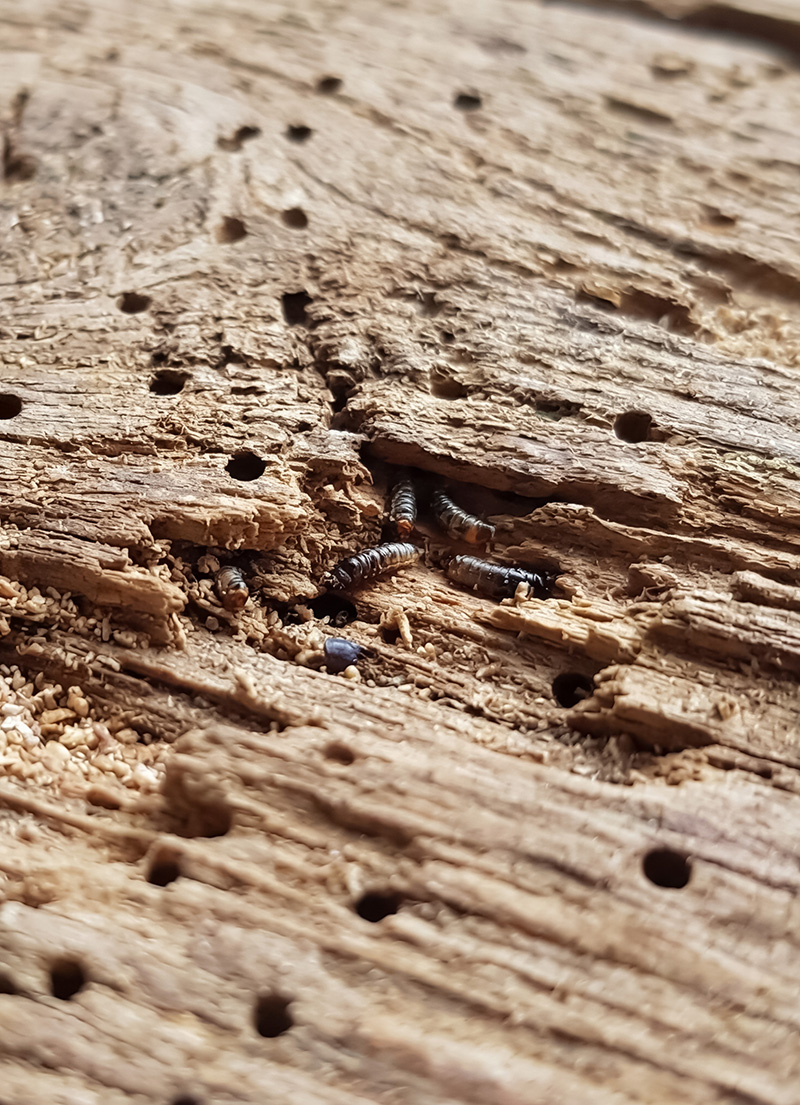
Finding small holes in floorboards, powdery dust beneath roof timbers or unexplained damage to wooden fixtures can be a serious concern.
Timber pests can remain hidden within wood for long periods, and by the time visible signs appear, larvae may already have affected a wider area. However, old exit holes do not always indicate a current infestation, which is why accurate assessment is essential before treatment is recommended.
At Tidal Environmental Services, we provide professional timber pest inspections, woodworm treatments and preventative advice throughout Cumbria and North Lancashire, including Kendal, Windermere, Ambleside, Ulverston, Barrow-in-Furness, Lancaster, Morecambe and the wider South Lakes region.
Our approach focuses on identifying the species involved, determining whether activity is current or historic, assessing any damage and addressing the environmental conditions that may be contributing to the problem.
For most wood-boring beetles, the adult stage causes little or no direct damage to timber. The main problem is created by the larvae, which live and feed beneath the surface of the wood.
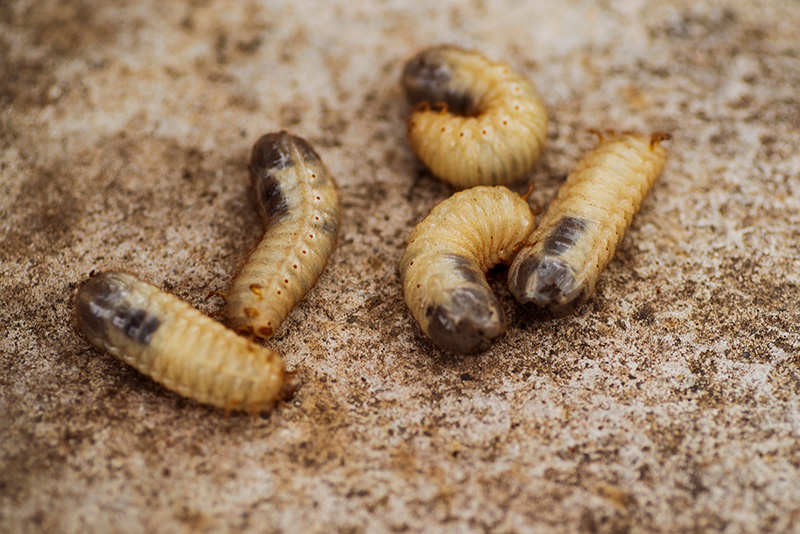
These larvae are commonly known as woodworm.
As the larvae develop, they create tunnels within the timber. When the adult beetles eventually emerge, they leave the characteristic exit holes that are often the first visible sign of an infestation.
Several species of wood-boring insect can be found in UK properties. The most commonly encountered include:
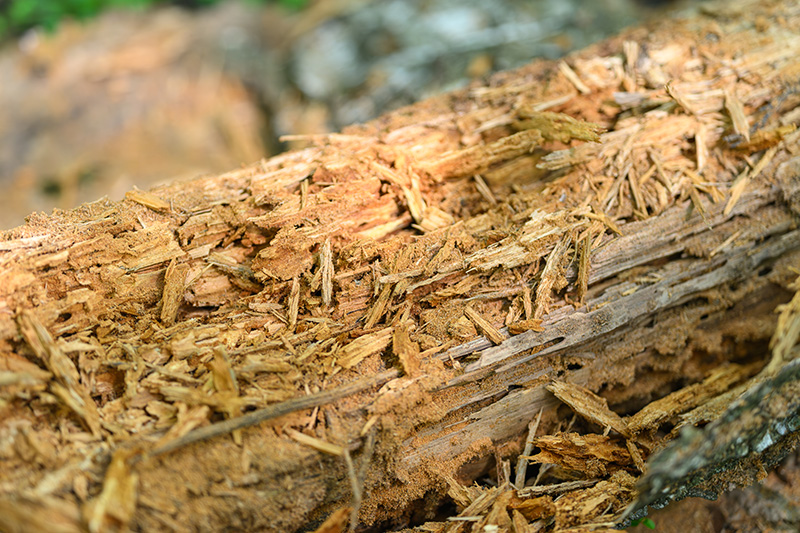
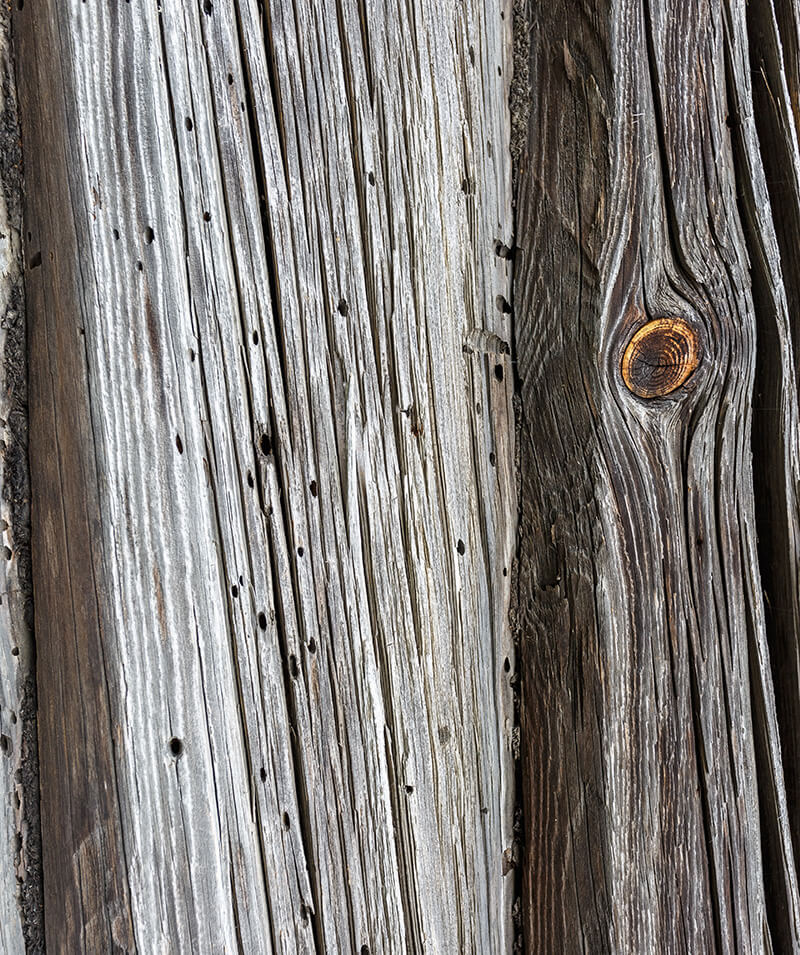
Timber can retain visible holes for decades after an infestation has ended. Treating historic damage unnecessarily can add cost without resolving the real concern.
A professional inspection considers the condition of the holes, the presence of fresh frass, beetle activity, timber moisture levels and the wider environment before deciding whether treatment is required.
Where activity is linked to dampness or poor ventilation, addressing those conditions is just as important as treating the insects themselves.
Potential consequences include:
Early assessment can distinguish between historic evidence and current activity, helping ensure that any action taken is proportionate and effective.
Every project begins with a thorough survey of the affected timber and surrounding areas.
We assess:
This helps avoid unnecessary treatment and ensures that any recommended control measures are appropriate for the species and property.
Where active timber pest activity is confirmed and treatment is required, we apply professional-use products to affected and at-risk areas.
Treatment plans are tailored to the construction of the property, accessibility of the timber, the species involved and the extent of activity.
Where timber has been significantly weakened, we may also recommend further structural assessment or repairs by an appropriate contractor.
Timber pest activity is often associated with elevated moisture levels, water ingress, condensation or poor ventilation.
We assess these factors and provide practical recommendations where required. Addressing the underlying environment alongside treatment offers the most effective long-term protection against future infestations.
Following the inspection or treatment, we provide clear recommendations relating to:
If you have discovered signs of woodworm or timber pest damage in your home, rental property or commercial premises, Tidal Environmental Services can help.
We’ll inspect the affected areas, determine whether activity is current or historic, explain your options clearly and provide practical recommendations tailored to your property.
Call 01539 292186 or request a quotation online to arrange a professional timber pest inspection anywhere across Cumbria and North Lancashire.
Woodworm is the common name given to the larval stage of several wood-boring beetle species. The larvae live and feed within timber before emerging as adult beetles.
Fresh frass, clean-edged exit holes, live beetles and recent changes to the timber can indicate activity. However, no single sign is conclusive, so professional assessment is recommended.
No. Exit holes may remain visible long after an infestation has ended. Treatment should only be recommended after the evidence and surrounding conditions have been properly assessed.
Yes. Prolonged or heavy activity can weaken floor joists, roof timbers, beams and other structural wood. The level of risk depends on the species, extent of damage and condition of the timber.
Different species favour different timber types, but elevated moisture, poor ventilation, fungal decay and long-term dampness can make timber more vulnerable to some wood-boring insects.
DIY products may be applied to the wrong area or used where activity is no longer present. Accurate identification, access to all affected timber and correction of underlying moisture problems are important for reliable control.
This depends on the size of the property, the amount of timber involved, accessibility and the extent of activity. Clear recommendations are provided following inspection.
Re-infestation is possible if moisture, ventilation or building maintenance issues remain unresolved. This is why environmental recommendations form an important part of our service. Treated timbers that are in a sound condition can be covered by an optional guarantee of 10 or 20 years.