Commercial and Domestic Pest Control throughout Cumbria & North Lancashire

Flies

Cluster fly

Fly Control Across Cumbria & North Lancashire

Professional Fly Control Services for Homes, Businesses & Agricultural Premises

Flies are one of the most common pest problems encountered across homes, businesses and agricultural properties throughout Cumbria and North Lancashire.

While many people view flies as little more than a nuisance, they pose a serious threat to health and hygiene. Certain species can contaminate food, spread dangerous bacteria, and create serious hygiene concerns, while other species can inflict painful bites. For businesses operating within food production, hospitality and retail sectors, fly activity can also lead to customer complaints, failed audits and reputational damage.

Whether you’re dealing with flies around your home, persistent activity within commercial premises or seasonal cluster fly infestations in loft spaces, early intervention can prevent a minor issue becoming a much larger problem.

At Tidal Environmental Services, we provide professional fly control services throughout Kendal, Windermere, Lancaster, Morecambe, Ulverston, Barrow-in-Furness and the wider South Lakes region.

Our approach focuses on identifying the species involved, locating breeding sources and implementing effective long-term control measures.

Why Are Flies a Problem?

Flies are among the most widespread public health pests in the UK.

Many species move freely between contaminated materials and food preparation areas, increasing the risk of bacterial transfer.

Depending on the species involved, flies can:

  • Contaminate food and surfaces
  • Spread bacteria
  • Create hygiene concerns
  • Damage business reputations
  • Trigger customer complaints
  • Affect employee wellbeing
  • Contribute to audit failures
  • Create unpleasant living and working environments
  • Deliver bites that may trigger skin reactions. 

The key to successful control is understanding which species is present and addressing the source that is supporting the population.

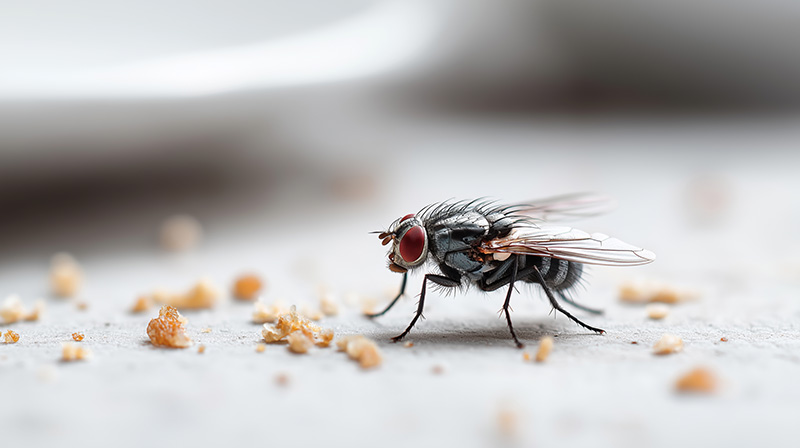
a-fly-is-seen-close-up-on-small-crumbs-scattered-on-a_67410304
baker arranging freshly baked desserts in a commercial kitchen
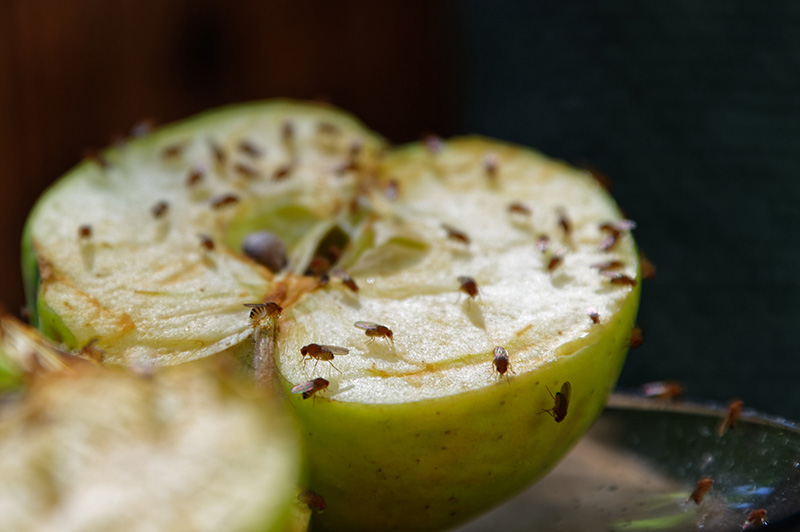
Fruit Fly

Expert Insight

One of the most common mistakes people make when dealing with flies is focusing entirely on the adult insects.

Adult flies are usually just the symptom of the problem.

The real issue is often a hidden breeding source that continues producing new flies.

We’ve attended countless properties where fly sprays have been used repeatedly with little success because the underlying source was never identified.

Effective fly control starts by understanding why the flies are there in the first place.

Why Fly Problems Shouldn’t Be Ignored

While fly infestations often begin as a nuisance issue, they can quickly escalate

Potential consequences include:

  • Food contamination
  • Customer complaints
  • Negative online reviews
  • Reduced hygiene standards
  • Failed inspections or audits
  • Damage to business reputation
  • Increased pest populations

The sooner breeding sources are identified, the easier and more cost-effective control usually becomes.

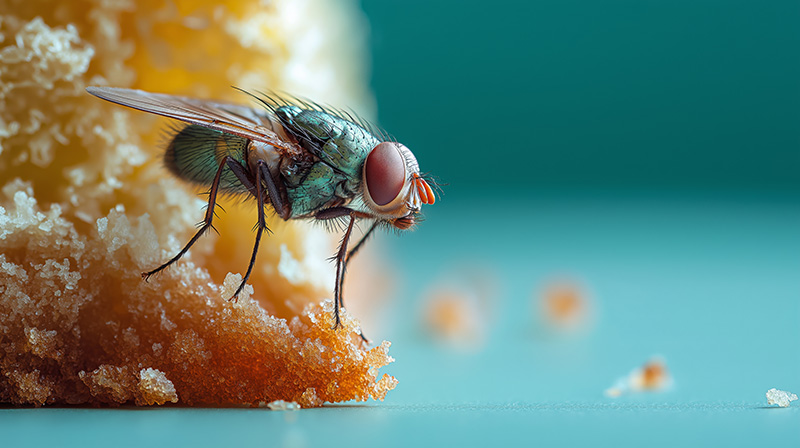
Fly on food

Signs You May Have a Fly Problem

Fly infestations often develop gradually. Common warning signs include:

  • Large numbers of flies indoors or around buildings
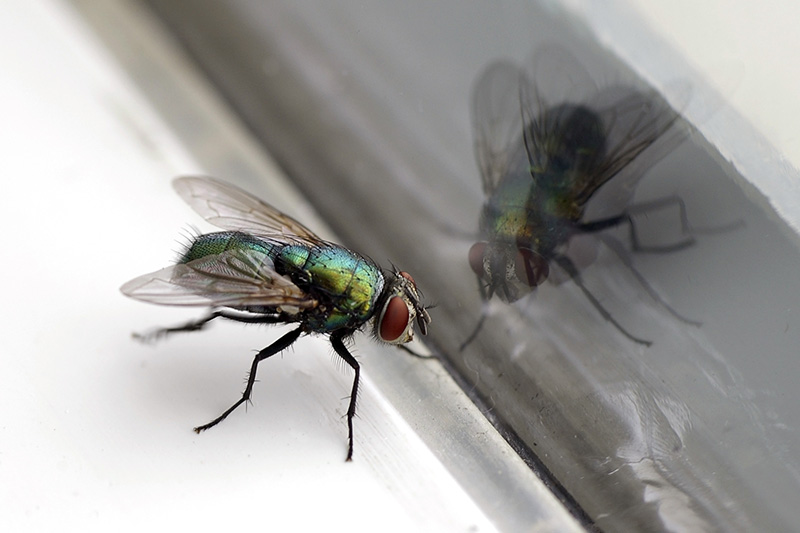
  • Flies repeatedly gathering around windows
  • Increased fly activity during warmer months
  • Larvae (maggots) in waste, drains, or organic material
  • Persistent fly activity despite cleaning efforts
  • Flies concentrated around food storage or preparation areas

Our Fly Inspection & Treatment Process

1. Detailed Site Inspection

Every treatment programme begins with a thorough inspection.

We identify:

  • The species involved
  • Breeding sources
  • Entry points
  • Environmental attractants
  • Areas requiring treatment

Understanding why flies are present allows us to recommend the most effective control measures.

2. Professional Treatment

Treatment programmes are tailored to the species and circumstances involved.

Control measures may include:

  • Residual insecticide treatments
  • Targeted applications
  • Monitoring systems
  • Fly management programmes
  • Environmental recommendations
  • Supply, installation and service of electronic fly killer units.

3. Source Elimination

Long-term success depends on addressing the conditions supporting fly activity.

Common breeding sources include:

  • Waste accumulation
  • Organic debris
  • Drains
  • Standing water
  • Animal housing
  • Food residues

Removing these sources significantly improves treatment outcomes.

4. Prevention Advice​

Following treatment, we provide practical recommendations relating to:

  • Waste management
  • Housekeeping standards
  • Drain maintenance
  • Structural proofing
  • Environmental management

These measures help reduce the likelihood of future infestations.

Talk to us today

Arrange Your Fly Survey Today

If flies are causing problems in your home, business or agricultural premises, Tidal Environmental Services can help.

We’ll identify the source of the problem, explain your options clearly and provide practical recommendations tailored to your property.

Call 01539 292186 or request a quotation online to arrange a professional fly control survey anywhere across Cumbria and North Lancashire.